admin
admin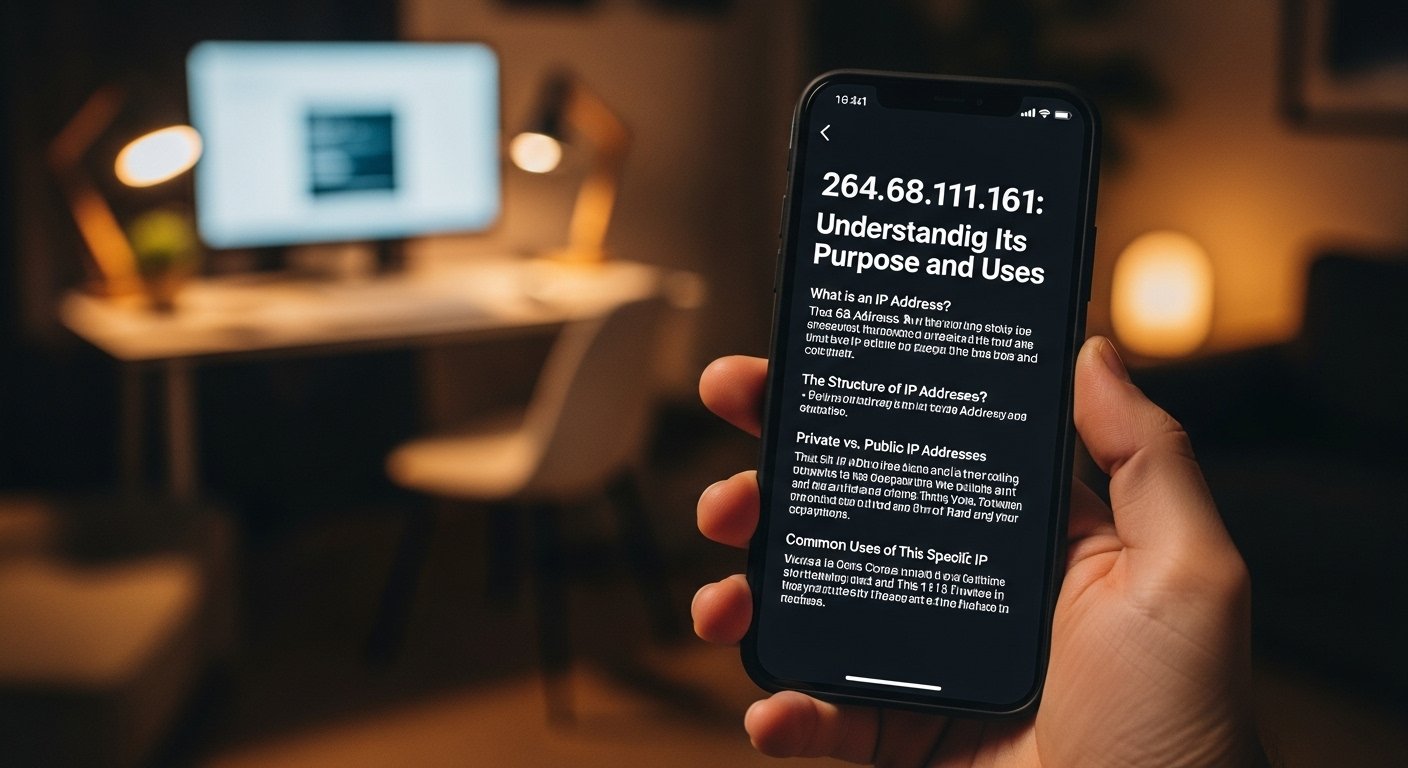
The IP address 264.68.111.161 has drawn attention from network enthusiasts and IT professionals who are curious about its structure, functionality, and potential uses. Understanding 264.68.111.161 requires exploring the fundamentals of IP addressing, the role it plays in network communications, and the implications it has for both individual users and organizations. This article delves into these aspects, offering a detailed, expert-level analysis.
What is 264.68.111.161?
At its core, 264.68.111.161 is presented in the familiar IPv4 format, a numerical label assigned to devices connected to a network. Each segment of an IPv4 address represents an 8-bit number, ranging from 0 to 255. While 264.68.111.161 may appear to fit this structure, a closer look reveals that the first segment exceeds the standard IPv4 range, making it technically invalid. This opens discussions about typographical errors, testing environments, or theoretical scenarios in network simulation.
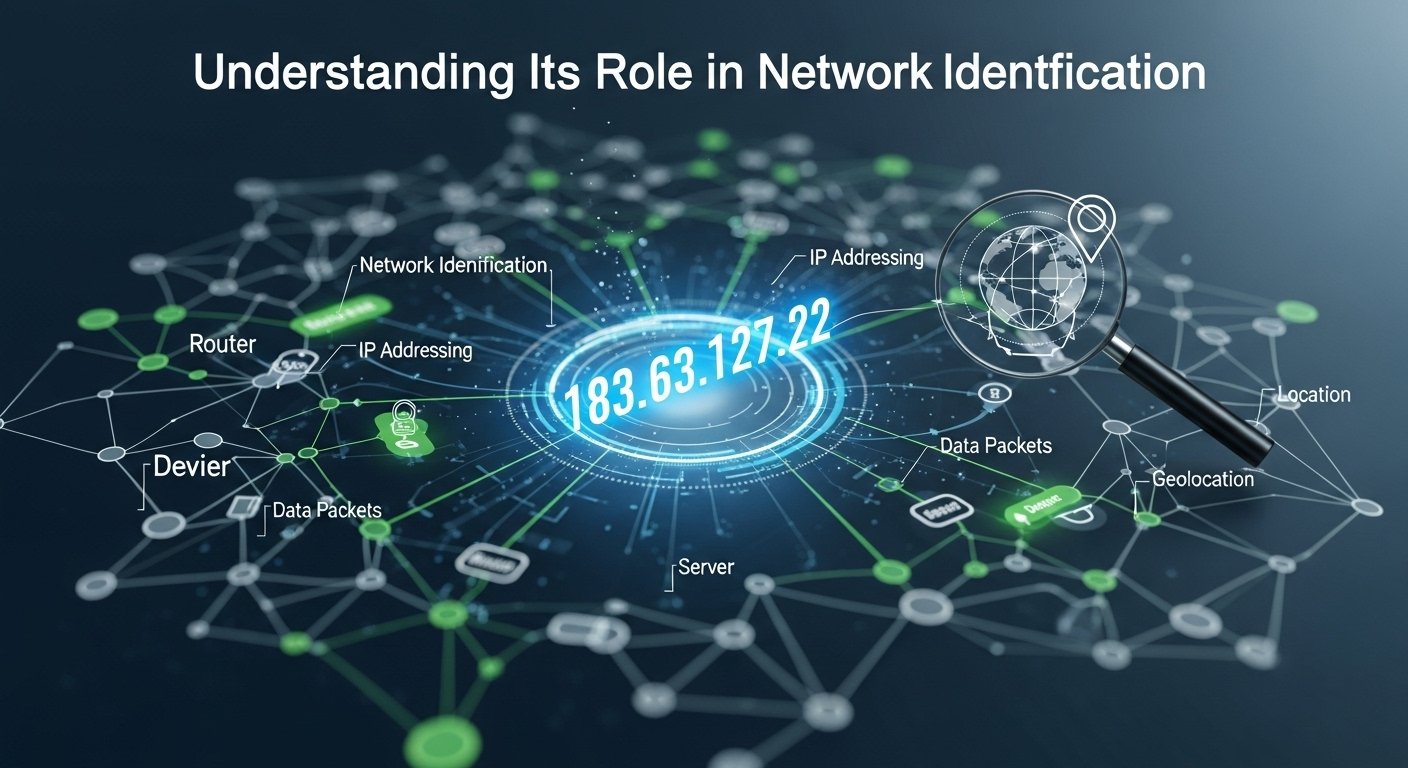
IP addresses like 264.68.111.161 serve as unique identifiers that enable devices to communicate across local and global networks. They ensure that data packets reach the correct destination and maintain the integrity of network interactions.
How IP Addresses Work
To understand 264.68.111.161, one must grasp the fundamentals of IP address functionality. IP addresses act like digital mailing addresses, allowing devices to send and receive information accurately. They are divided into classes (A, B, C, D, and E) and further split into public and private categories. Public IPs, like the one represented by 264.68.111.161, are accessible over the internet, while private IPs operate within localized networks.
IP addresses facilitate multiple processes, including routing, security protocols, and device identification. Even in cases where an IP such as 264.68.111.161 is invalid, the surrounding concept helps illustrate how networks manage and organize digital communication.
Common Misconceptions and Considerations
There is often confusion when analyzing addresses like 264.68.111.161. Many assume every numeric combination is valid, but technical standards limit IPv4 addresses to numbers between 0 and 255 in each octet. Addresses exceeding this range, such as the 264 in 264.68.111.161, are typically invalid for real-world usage but can appear in educational simulations or hypothetical discussions.
Understanding these nuances is crucial for IT professionals, network administrators, and students. Misinterpreting addresses can lead to misconfigured networks or unnecessary troubleshooting, which underscores the importance of proper IP knowledge.
Practical Applications of IP Address Knowledge
Even when encountering unusual addresses like 264.68.111.161, learning about IP structures can be valuable. Knowledge of IP addressing allows network specialists to design robust networks, implement effective cybersecurity measures, and monitor traffic efficiently.
For businesses, IP address management—including identifying, allocating, and tracking addresses—is essential. It supports the smooth functioning of servers, routers, and client devices. The study of problematic or theoretical IPs, such as 264.68.111.161, can also aid in understanding system limitations, software testing environments, and error handling procedures.
The Role of IP Addresses in Modern Networking
IP addresses remain fundamental in today’s digital ecosystem. Whether dealing with home networks, corporate infrastructures, or cloud-based services, recognizing the importance of addresses like 264.68.111.161—even as a theoretical example—helps professionals anticipate connectivity issues and optimize performance.
Moreover, understanding IP address allocation and classification enhances security. Firewalls, VPNs, and intrusion detection systems rely on precise IP management. While 264.68.111.161 may not exist in practical networks, studying its format reinforces key concepts in network theory.
Conclusion
In summary, 264.68.111.161 provides an intriguing case for studying IP address structures, even if it falls outside the valid IPv4 range. By exploring its theoretical use, learning about IP functionality, and examining network management implications, professionals can enhance their understanding of digital communication and connectivity. Whether for academic purposes, network design, or cybersecurity awareness, analyzing addresses like 264.68.111.161 adds depth to any IT knowledge base.