admin
admin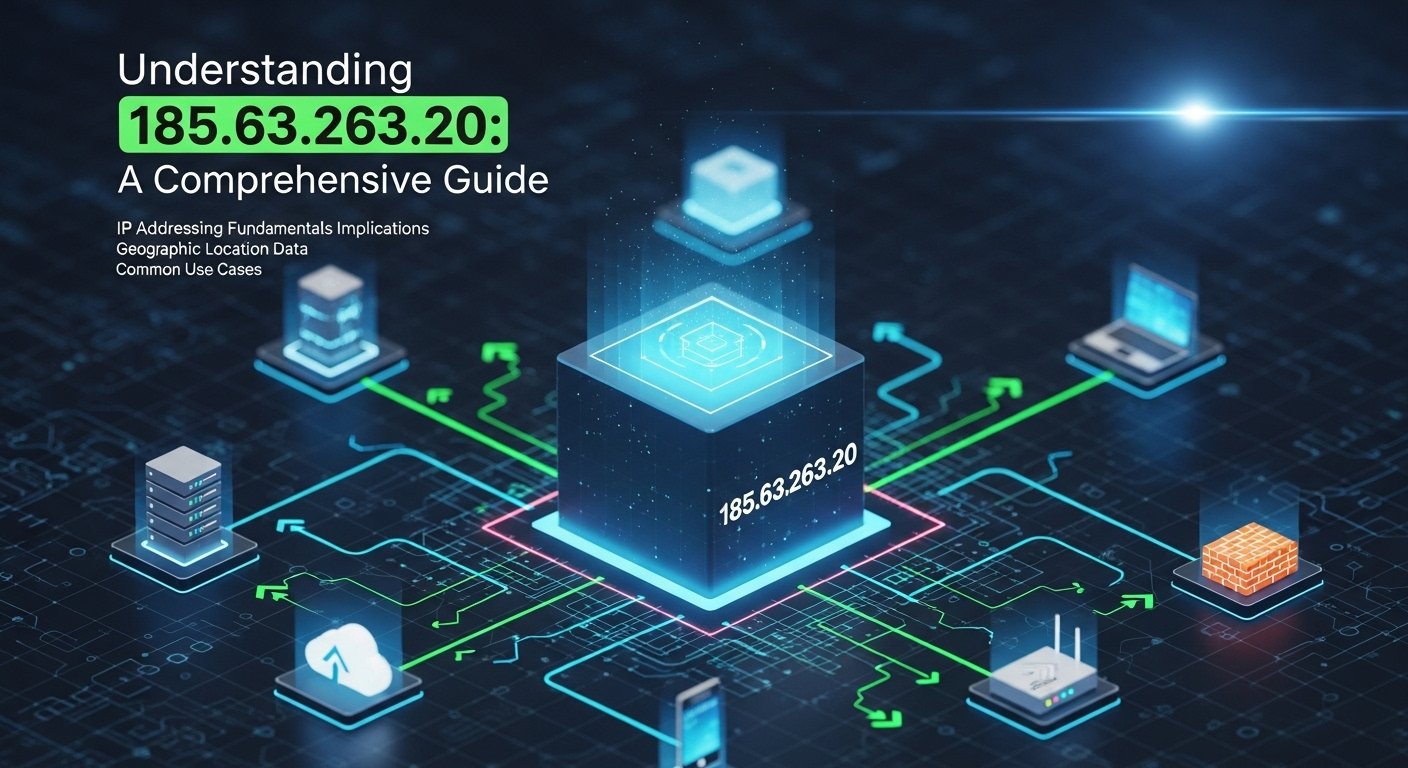
In the digital age, IP addresses play a critical role in connecting devices, servers, and networks. One such identifier, 185.63.263.20, has been gaining attention among IT professionals, cybersecurity enthusiasts, and businesses seeking to understand network behavior. This article explores everything you need to know about 185.63.263.20, including its potential uses, security considerations, and relevance in modern networking.
What Is 185.63.263.20?
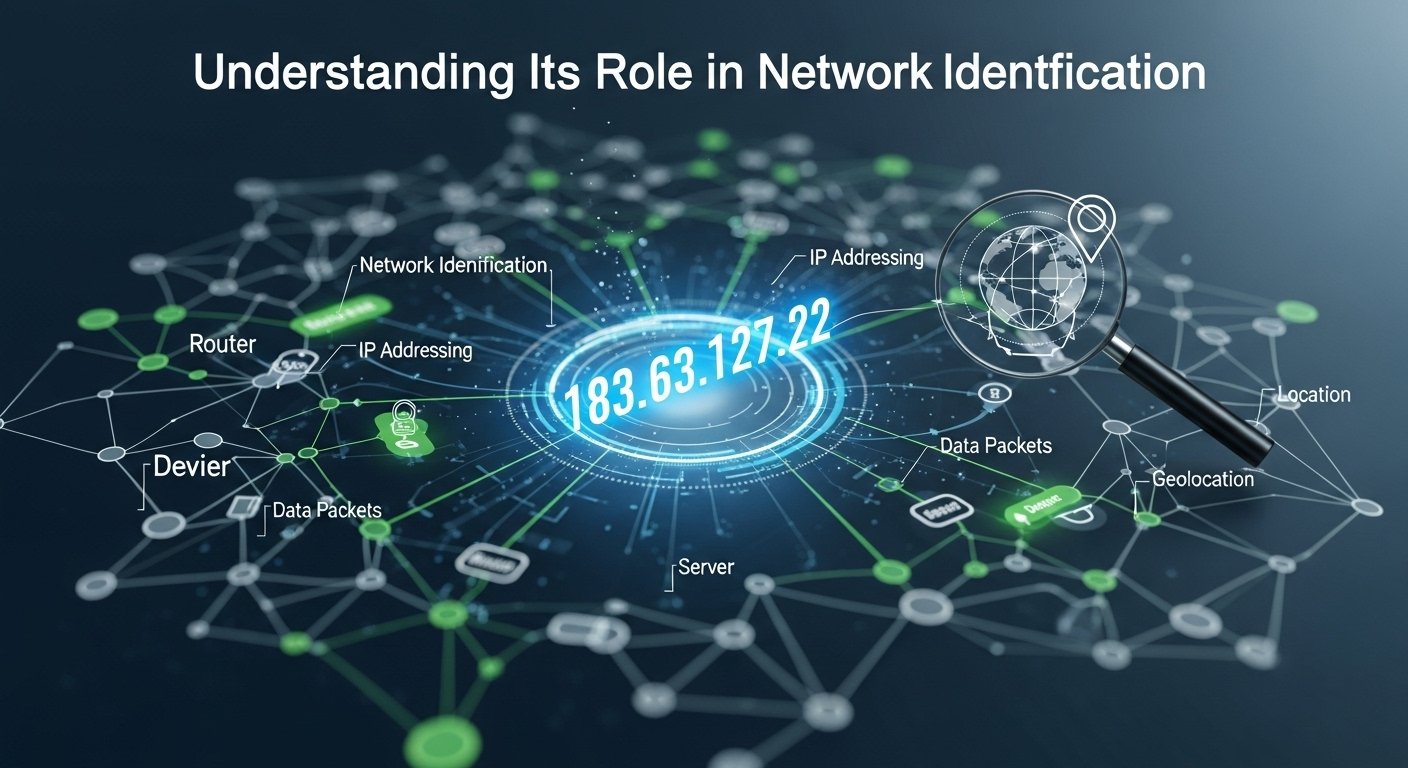
An IP address serves as a unique identifier for a device on a network, allowing communication between computers, servers, and other devices. 185.63.263.20 functions as one such identifier, distinguishing its host system from millions of others online. IP addresses like this are essential for routing data, identifying sources of traffic, and enabling services like email, web hosting, and remote access.
While the format of 185.63.263.20 resembles a standard IPv4 address, it’s important to note that each IP carries specific network details, including its geographical location, hosting provider, and potential reputation score. Understanding these elements can help businesses, IT teams, and security analysts make informed decisions about traffic management and security protocols.
Uses of 185.63.263.20 in Networking
The applications of 185.63.263.20 vary depending on its hosting environment and assigned services. For instance, it can be associated with web hosting servers, corporate VPNs, or specialized cloud services. Many organizations monitor IP addresses like 185.63.263.20 to detect unusual behavior, such as unauthorized access attempts or abnormal data transfers.
Network administrators often use IP addresses to implement access controls. By knowing whether 185.63.263.20 belongs to a trusted network or a potential threat source, they can configure firewalls, routing rules, and security policies accordingly. This proactive approach ensures that sensitive information remains protected while legitimate users enjoy seamless access.
Security Considerations
Security is a major factor when dealing with any IP address, and 185.63.263.20 is no exception. Cybersecurity experts recommend regular monitoring of IP addresses for suspicious activity. Tools like intrusion detection systems and IP reputation checkers can assess whether 185.63.263.20 is linked to malicious traffic, phishing attempts, or other cyber threats.
Additionally, businesses should understand the risks associated with exposing IP addresses publicly. 185.63.263.20 could be targeted by hackers seeking to exploit vulnerabilities. Using encrypted communication channels, multi-factor authentication, and strict network policies reduces the chances of compromise and ensures secure data exchange.
Tracing the Source of 185.63.263.20
One of the primary steps in understanding an IP address is tracing its source. By analyzing 185.63.263.20, IT professionals can identify its geographical location, service provider, and whether it’s static or dynamic. Such information is valuable for troubleshooting network issues, verifying server authenticity, and investigating potential cyber incidents.
Geolocation services can provide insights about 185.63.263.20, including its country, region, and city of origin. This is particularly useful for businesses that need to monitor international traffic or comply with data privacy regulations, such as GDPR, which may require knowledge of where data is coming from or being sent.
Best Practices for Managing IP Addresses
Effectively managing IP addresses like 185.63.263.20 involves a combination of monitoring, documentation, and security measures. IT teams should maintain accurate logs, update access rules regularly, and track any changes in IP behavior. By following these best practices, organizations minimize the risk of data breaches and maintain optimal network performance.
Furthermore, understanding the role of 185.63.263.20 in everyday network operations allows businesses to optimize traffic routing, improve server response times, and enhance overall system reliability. This strategic approach benefits both technical teams and end-users, ensuring smoother and safer online experiences.
Conclusion
In summary, 185.63.263.20 is more than just a numerical label; it is a critical component of digital communication, network management, and cybersecurity. From its role in identifying devices to enabling secure connections and monitoring network traffic, understanding this IP address is essential for modern IT practices. Businesses and individuals who stay informed about 185.63.263.20 and other IP addresses gain better control over their networks, enhance security, and ensure reliable connectivity.